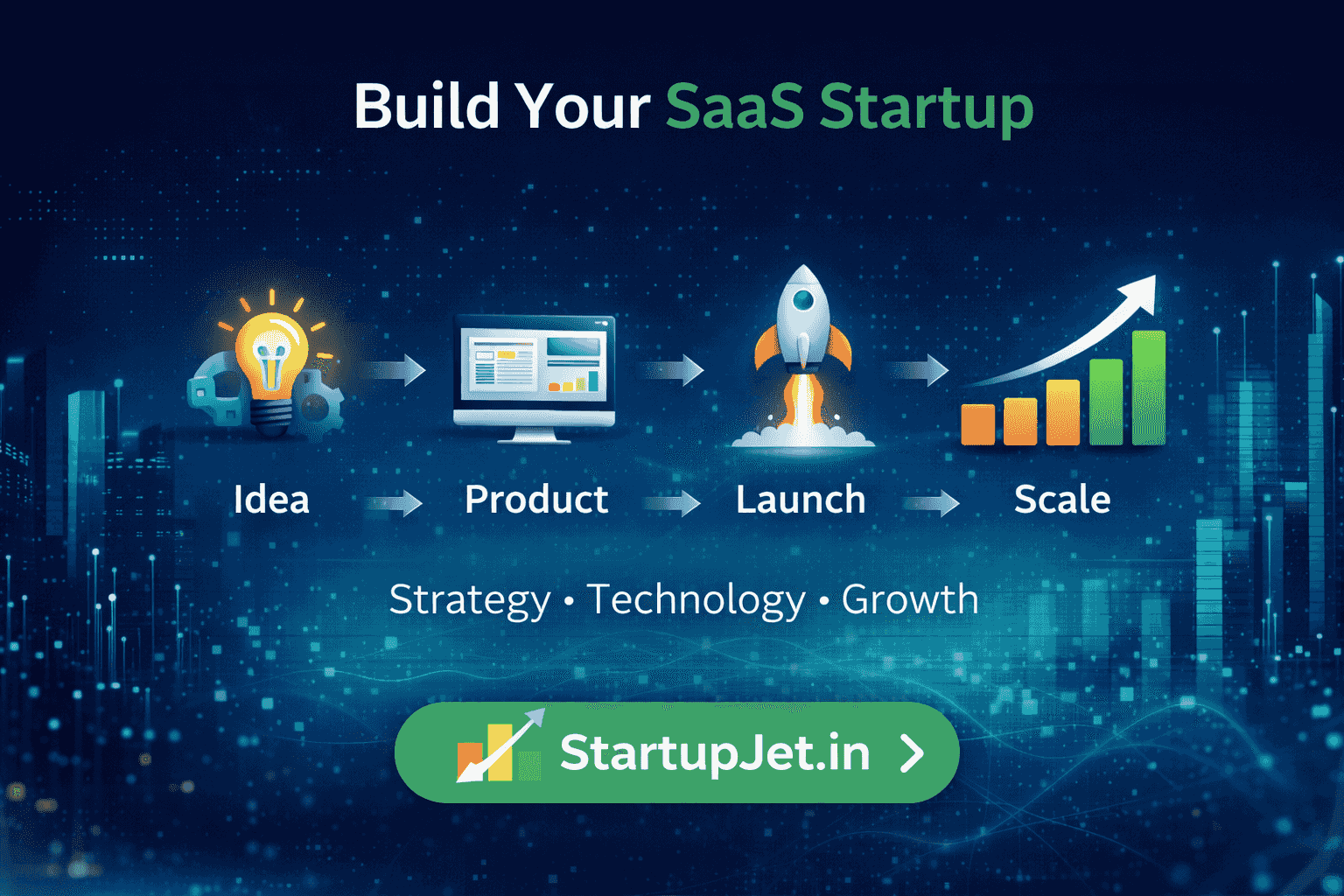
The SaaS landscape has changed dramatically. With AI-first architectures becoming the norm, launching a product requires more than just code—it requires a distinct value proposition in an automated world.

1. Identifying a Profitable Micro-Niche
Gone are the days of "all-in-one" platforms. Success in 2026 lies in solving a high-friction problem for a very specific group of people. Whether it's automated tax filing for freelance developers or AI-driven inventory management for vintage watch sellers, the more specific you are, the faster you'll grow.

2. Building Your MVP (Minimum Viable Product)
Your MVP should focus on the "Core Loop." What is the one action your user takes that provides the most value? Build that, and build it well. Don't worry about multi-user permissions, advanced analytics, or custom branding yet.
Recommended Tech Stack:
- Frontend: Next.js or Vite
- Backend: Node.js with a scalable DB like PostgreSQL
- Auth: Supabase or Clerk
- AI Integration: OpenAI API or LangChain
3. The Importance of Feedback Loops
Once you have your first 10 users, talk to them. Not just via email—hop on a call. Understand why they use your tool and what almost made them quit. This qualitative data is more valuable than any Google Analytics dashboard in the early stages.
"Innovation is not about adding more features; it's about removing more friction."
4. Scaling to Your First 100 Customers
Focus on unscalable marketing first. Direct outreach, participating in niche forums, and building in public. As you hit the 100-user mark, start looking into SEO and partnership marketing to create a sustainable pipeline.
Conclusion: The best time to start was yesterday. The second best time is today.